 693
693
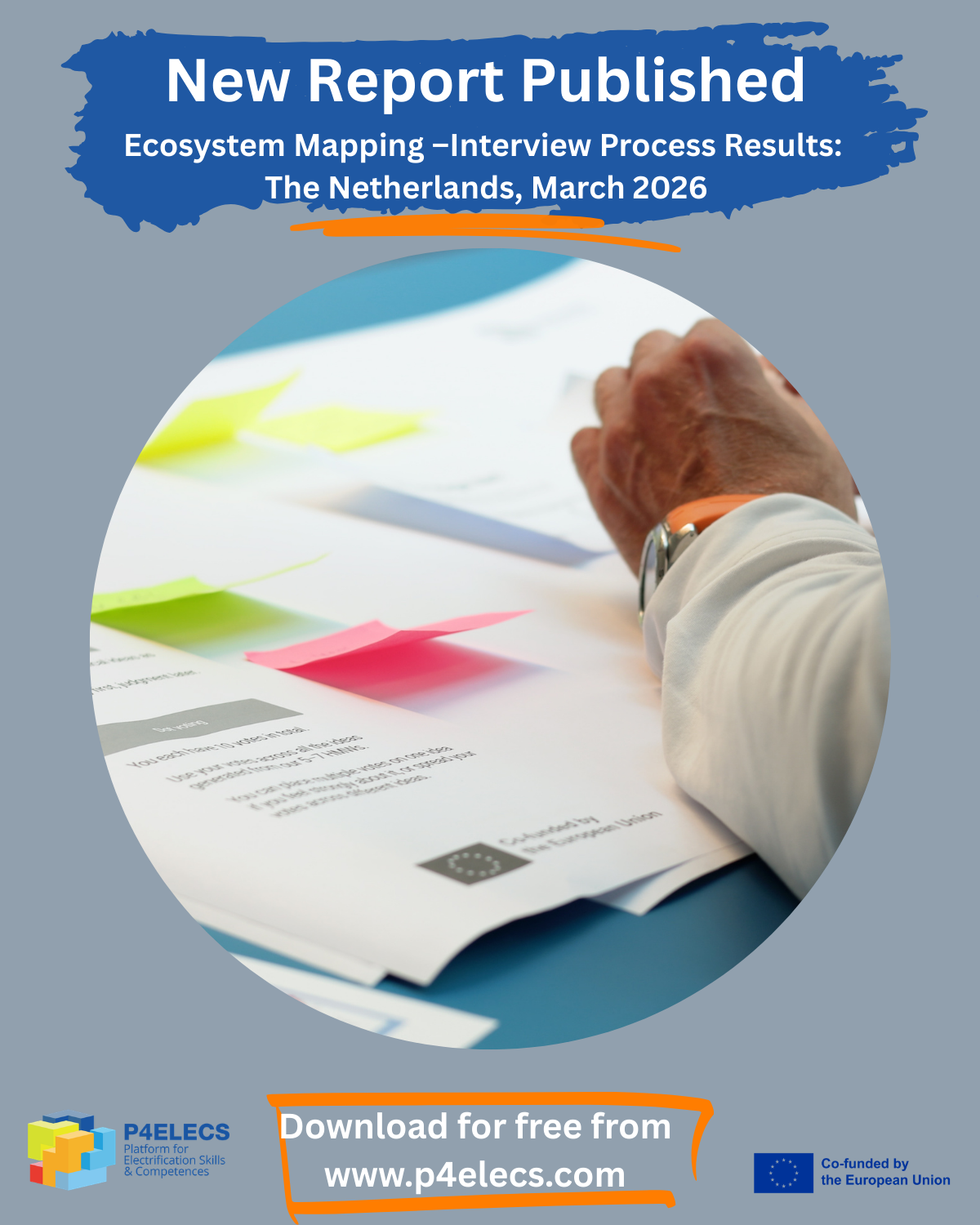
Based on stakeholder interviews across research, education, industry and policy, the report shows that the Netherlands has a strong innovation ecosystem, but still faces key challenges in connecting innovation to workforce readiness. In particular, what we’re observing in the Netherlands is not a lack of innovation. It’s an opportunity to strengthen how innovation translates into practice.
Four signals from the ecosystem:
• Strong innovation is already in place — the opportunity lies in better connecting it to education, organisations and workforce development 🔗
• Training systems are evolving — with growing demand for more flexible, modular, and hands-on learning that reflects real industry timelines 🎓🧩
• The ecosystem is rich in actors — with clear potential to deepen coordination and move beyond siloed or project-based collaboration 🤝
• Valuable knowledge is being generated — with a need to further translate it into standardized, accessible, and scalable formats 📈
For P4ELECS, this report is an important step in understanding how local skills ecosystems can better support electrification and the uptake of new technologies. For the energy transition, it confirms that innovation alone is not enough: Europe also needs practical, modular and scalable skills pathways to ensure that new solutions can be deployed safely, effectively and at speed.
The Netherlands case offers valuable insights for building stronger links between innovation, education and implementation thus helping P4ELECS create transferable models for sustainable skills ecosystems across Europe.
Click here to download the report. Any feedback is welcome at info@p4elecs.com.
 711
711
Date: 5–8 October 2026
Location: Thor Park, Genk (Belgium)
 1K
1K
Discover how P4ELECS is making essential electrification knowledge accessible to everyone.
 682
682
As electrification accelerates across Europe, developing the right skills is more critical than ever.
On March 3rd at EnergyVille, Annick Dexters of KU Leuven will share her perspective in her talk “Educating Engineers and Technicians of the Future”, highlighting how education and industry collaboration can strengthen Europe’s power electronics ecosystem and support the energy transition.
 1K
1K
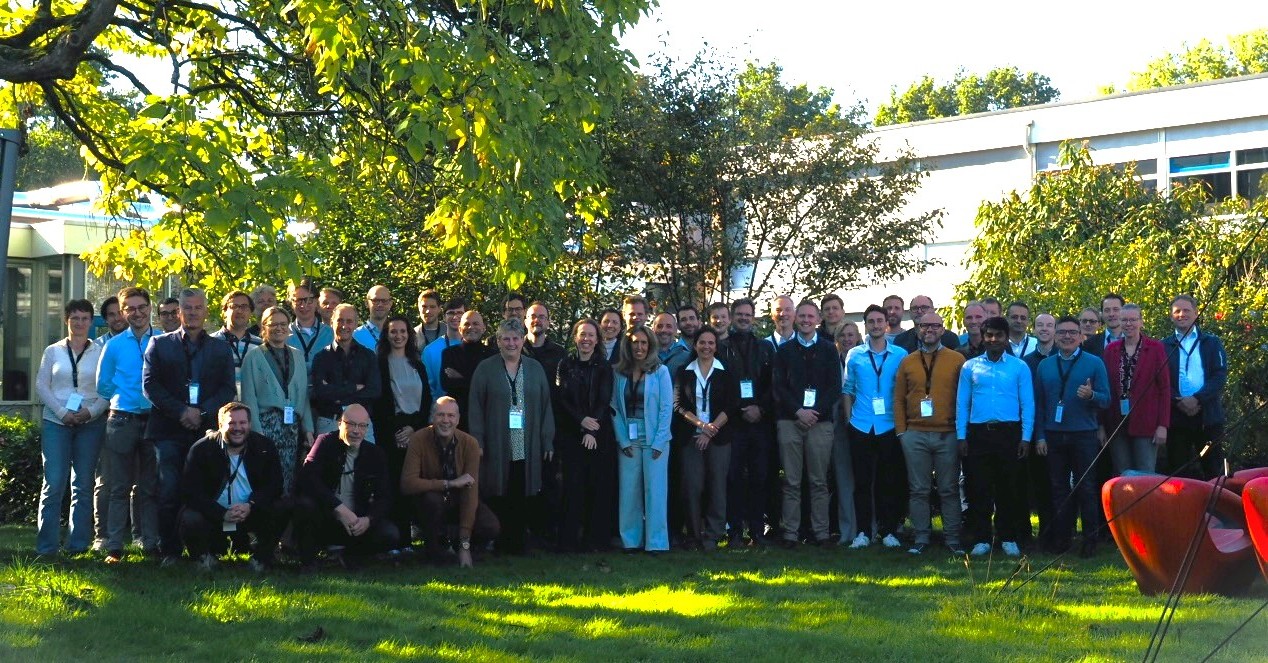
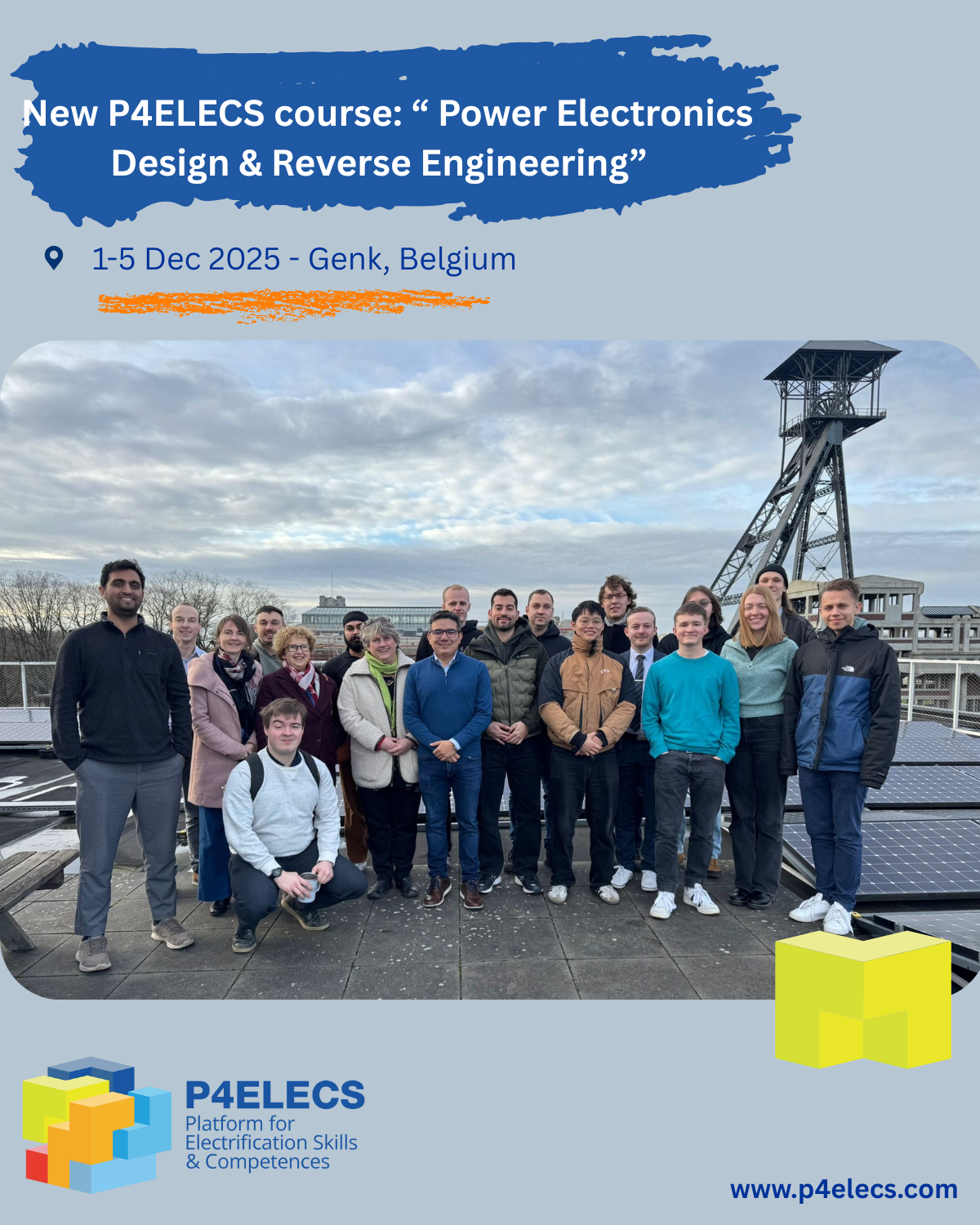
From 1 to 5 December 2025, students from KU Leuven, RWTH Aachen, Riga Technical University, TH Köln and other partner institutions gathered at EnergyVille (Thor Park, Genk, Belgium) for the physical module of the P4ELECS course “Design and Reverse Engineering of Power Electronic Converters.” The intensive week marked an important milestone in delivering advanced, practice-oriented energy-transition skills to future engineers.
 2K
2K
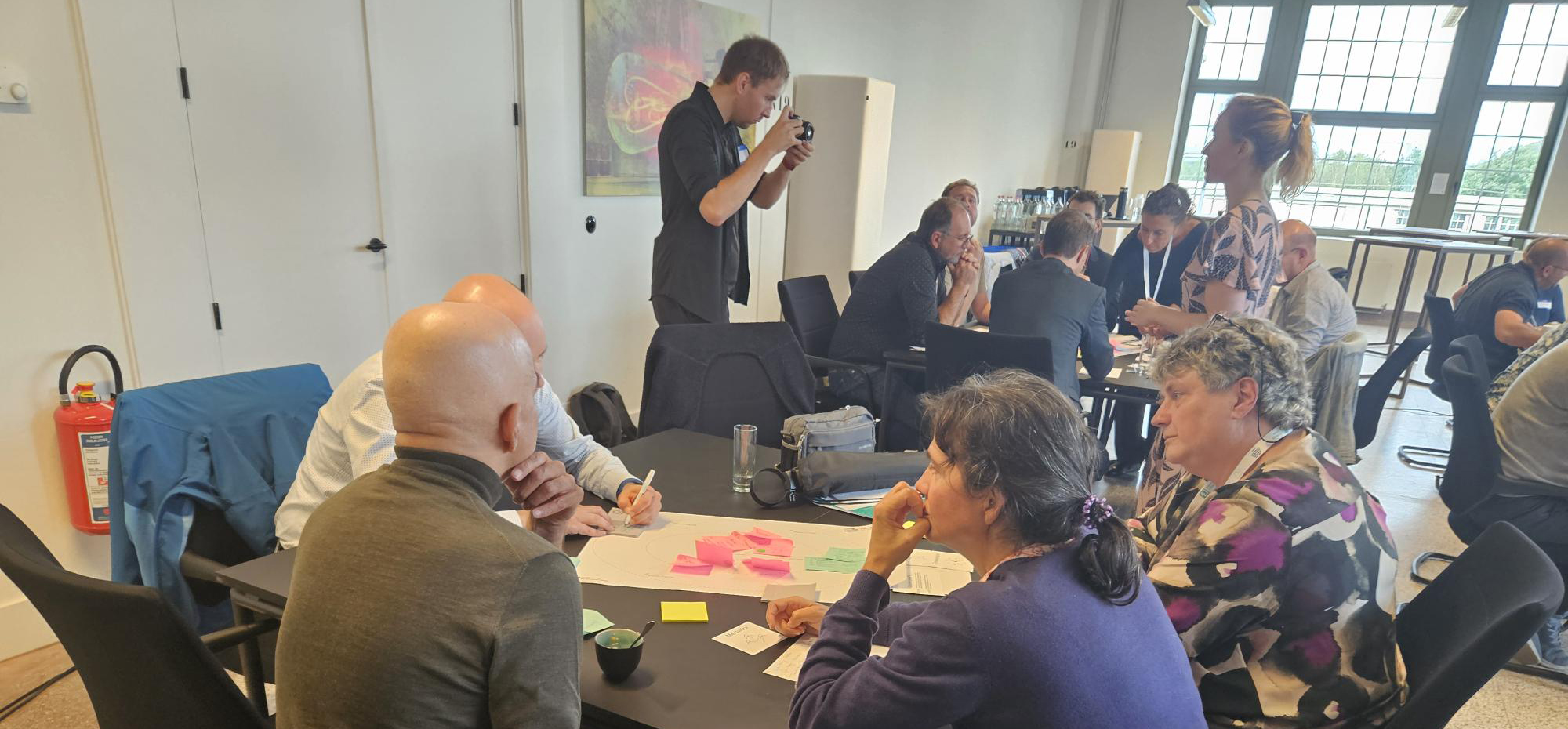
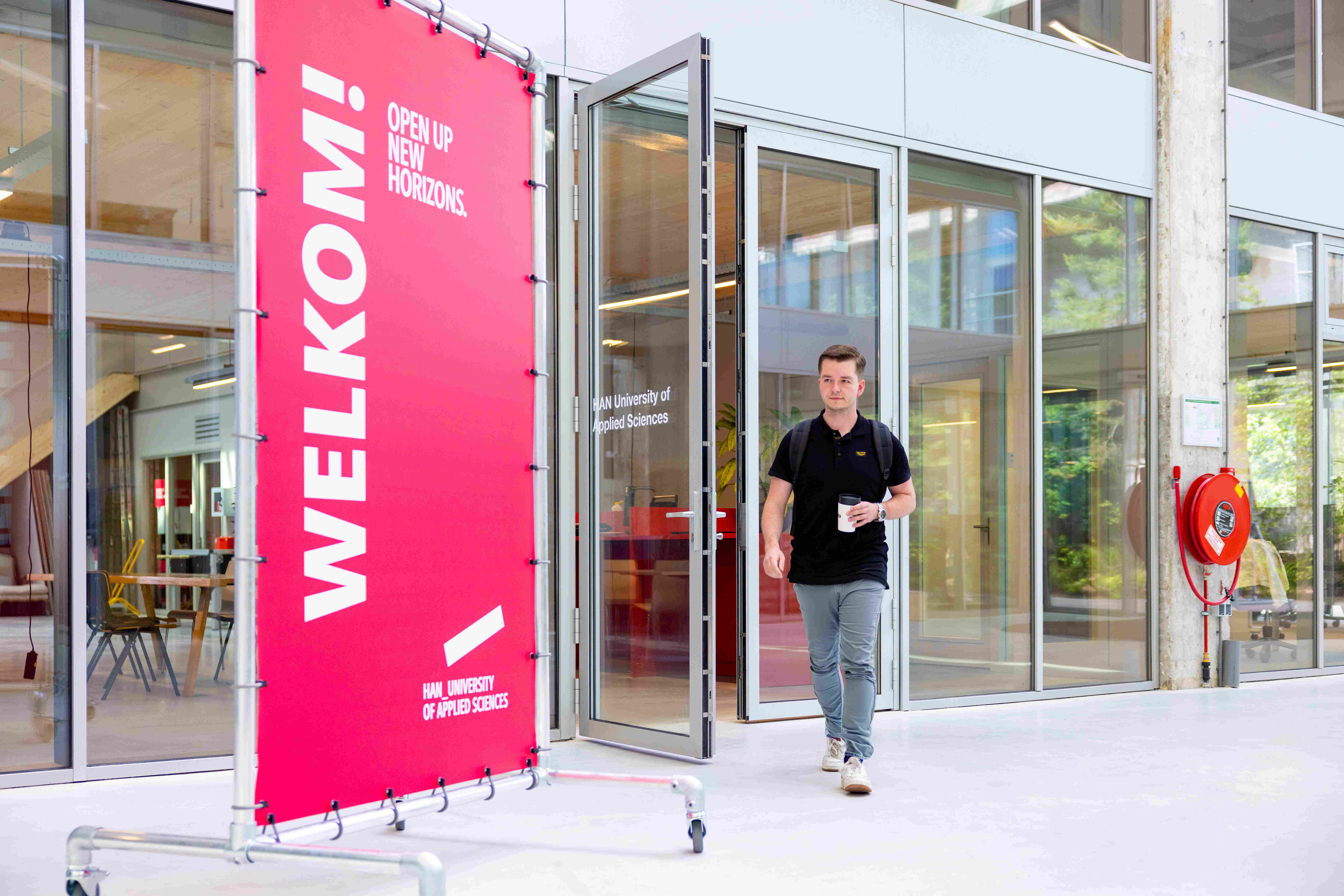
Policy makers, educators and industry experts from across Europe are set to gather in Arnhem this autumn for the P4ELECS Workshop Days, a high-impact event focused on the future of upskilling in the fast-evolving electrification sector. The event, scheduled for 30 September – 1 October 2025, will be hosted at HAN InnovatieLab@Connectr and HAN University of Applied Sciences.
 We use cookies to enhance your experience.
We state in our privacy policy that we will not use your data for any purpose that you do not consent to. According to the law, we may store cookies on your device if they are strictly necessary for the use of the site. We require your permission for all other types of cookies. I confirm that I have read, consent and agree to P4Elecs Privacy and Cookie policy.