 3K
3K
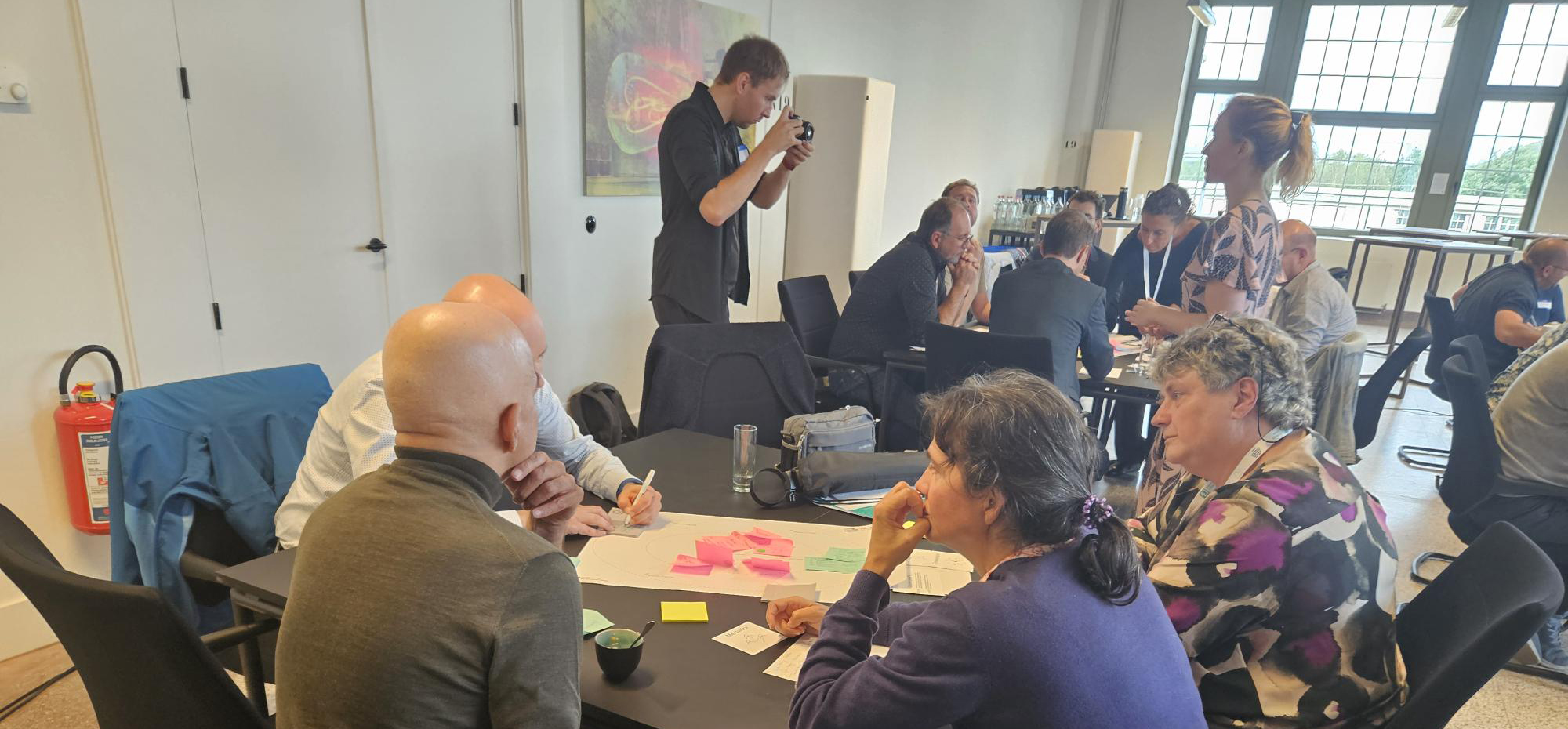
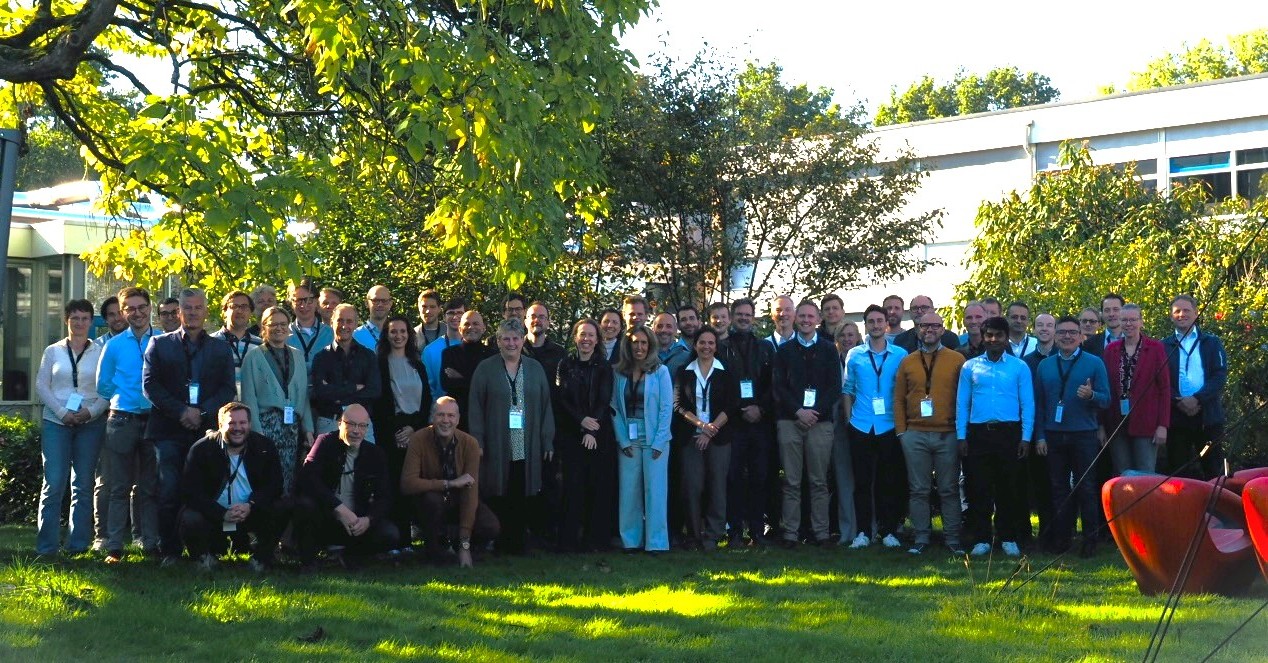
P4ELECS project partners looked into skills ecosystem’s challenges and opportunities in a first dedicated workshop “Five skills ecosystems for electrification in Europe – challenges and contexts” held in September at EnergyVille in Genk.
Initial opportunities to develop more open educational systems adapted to today’s flow of knowledge already emerged, against a wide range of global as well as context-specific challenges. The involvement of local governments and learners along with the relevant sectors to harmonise actions, the focus on very specific skills for niche applications, but also on shared basic knowledge and the inclusion of both theory and practice in the learning paths are some of the new possibilities envisioned by participants. These are expected to overcome challenges such as managing an increasingly complex technology landscape and the growing distance between a multitude of specialised knowledge silos.
First hand experiences from an advanced ecosystem in Belgium where shared by speakers from AGORIA, FLUX50, T2 Campus and VOLTA who presented the most important changes of the past five years when it comes to collaboration between research, education and industry and how they can become even more efficient.
Watch the video to learn more about how we plan linking education, innovation and employment at P4ELECS through system thinking, and more.
 1K
1K
Date: 5–8 October 2026
Location: T2 Campus, Thor Park 8040, 3600 Genk (Belgium)
 887
887
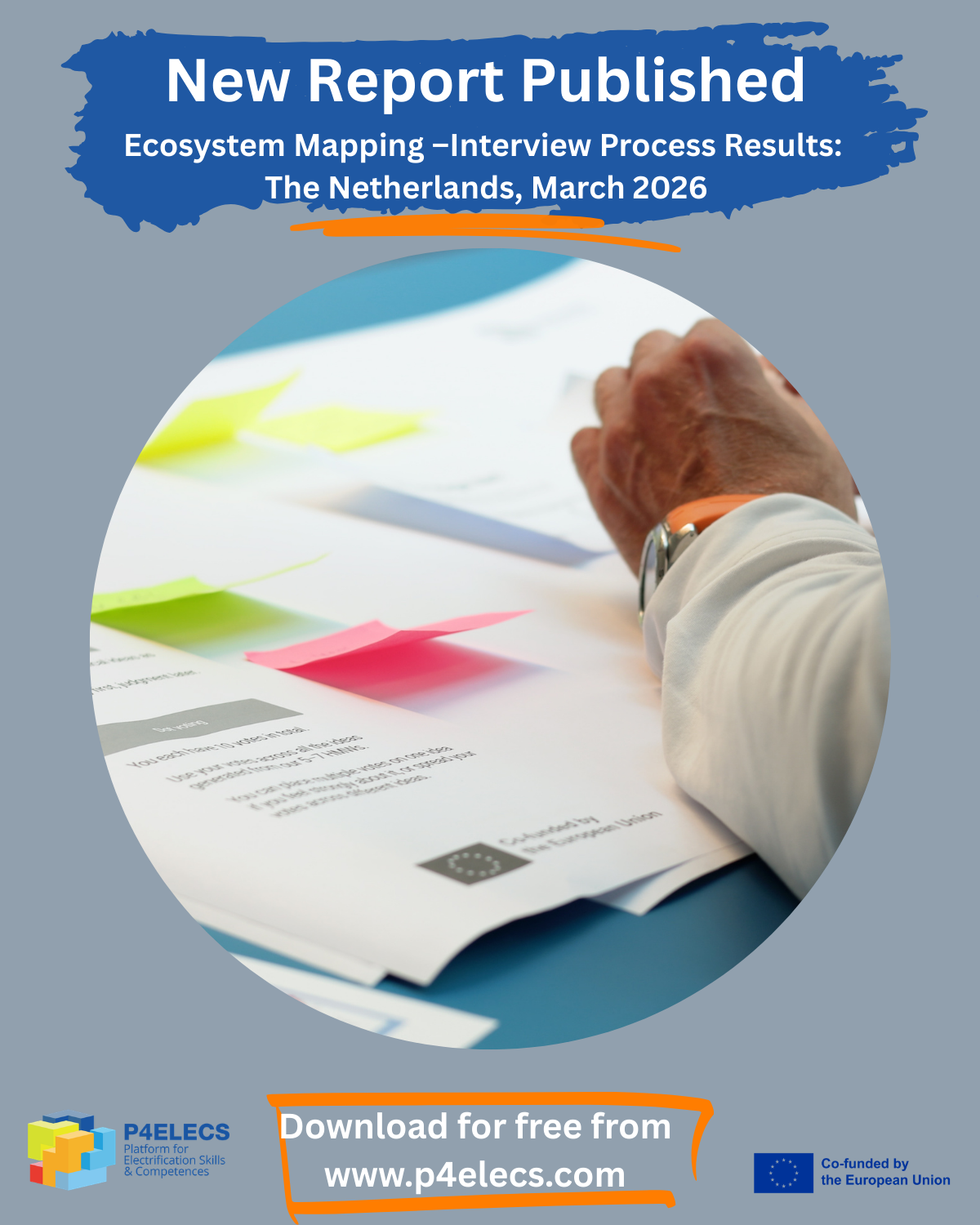
P4ELECS has published the new WP8 Co-creating Skills Ecosystems report, Ecosystem Mapping – Interview Process Results: The Netherlands, which explores how the Dutch electrification ecosystem is evolving and where the main skills and implementation gaps remain.
 1K
1K
Discover how P4ELECS is making essential electrification knowledge accessible to everyone.
 846
846
As electrification accelerates across Europe, developing the right skills is more critical than ever.
On March 3rd at EnergyVille, Annick Dexters of KU Leuven will share her perspective in her talk “Educating Engineers and Technicians of the Future”, highlighting how education and industry collaboration can strengthen Europe’s power electronics ecosystem and support the energy transition.
 1K
1K
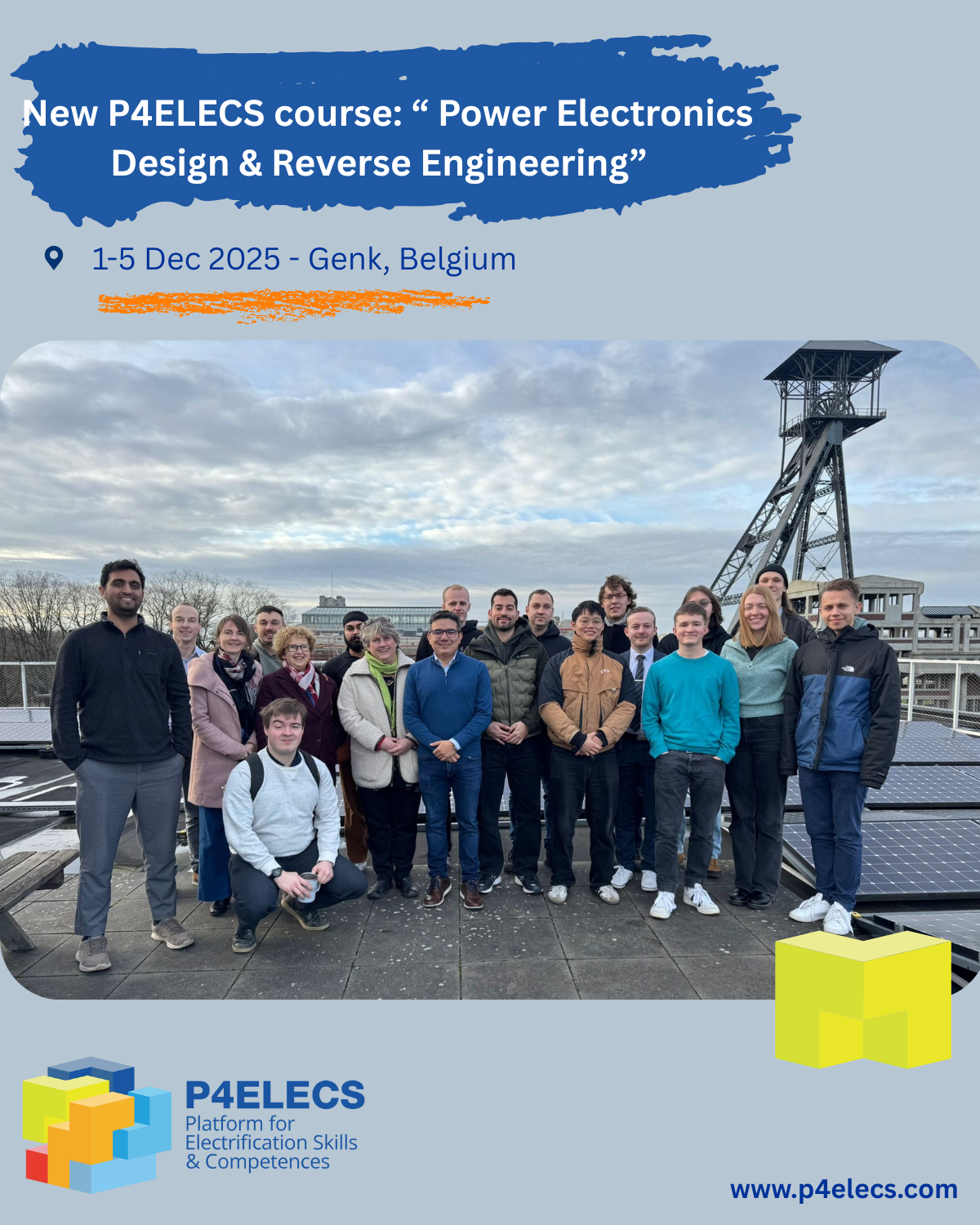
From 1 to 5 December 2025, students from KU Leuven, RWTH Aachen, Riga Technical University, TH Köln and other partner institutions gathered at EnergyVille (Thor Park, Genk, Belgium) for the physical module of the P4ELECS course “Design and Reverse Engineering of Power Electronic Converters.” The intensive week marked an important milestone in delivering advanced, practice-oriented energy-transition skills to future engineers.
 We use cookies to enhance your experience.
We state in our privacy policy that we will not use your data for any purpose that you do not consent to. According to the law, we may store cookies on your device if they are strictly necessary for the use of the site. We require your permission for all other types of cookies. I confirm that I have read, consent and agree to P4Elecs Privacy and Cookie policy.